AI toys for kids in 2026: 7 that are worth it, and what parents should know first
🤖 What each one really does
By Megan H. · 8 min read
Talking robots and chatty plushies are this year’s most-asked-for gifts. We tested seven with real families for three weeks: what they actually do, which need Wi-Fi and an app, and which ones kids still use after the novelty wears off.
A year ago, a toy that holds a real conversation sounded like science fiction. This year it is on every wish list, and the shelves are full of robots and plushies that promise to “teach”. Some are wonderful. Some are a tablet in disguise.
So we tested them. Seven families across the US, with kids aged three to ten, lived with these toys for three weeks. We noted what each child actually did with it, what they asked, how long the setup took, and whether they still reached for it once the novelty wore off.
Below: the seven that earned a place, what each one is really good for, and an honest parent check on Wi-Fi, apps and setup. Start with the five things every parent should know first.
What parents should know first
1. Most need Wi-Fi and an app. The AI part runs online. Plan a 5 to 10 minute setup on your phone before the big day, not while a child waits.
2. Do the first session together. Ask the toy a few questions yourself, then with your child. You’ll quickly hear how it answers and set the tone.
3. Check the parent controls. Look for a content filter, volume control and, where offered, the parent app that lets you see or shape what it talks about.
4. Talk about what it is. Young kids can treat a talking toy like a real friend. A simple “it’s a clever machine that knows lots of facts” goes a long way.
5. Balance it. The best results in our test came when the talking toy sat alongside hands-on play, not instead of it. That’s why our last pick has no AI at all.
Family Approved
1. ChatGPT Powered STEM Learning and Playing Robot
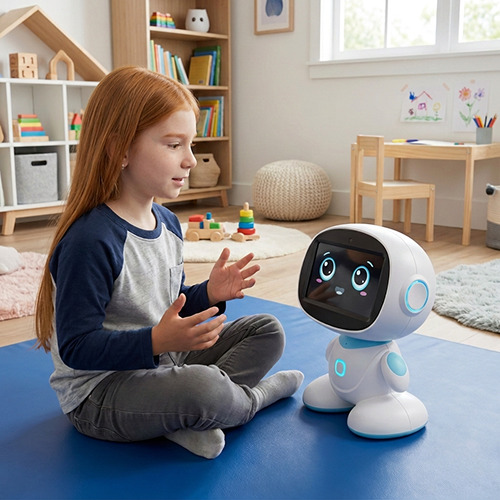
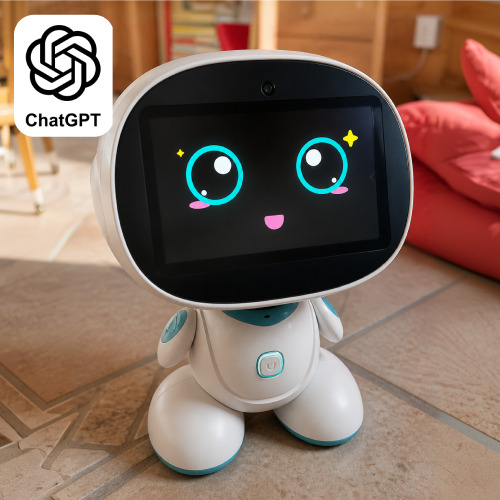
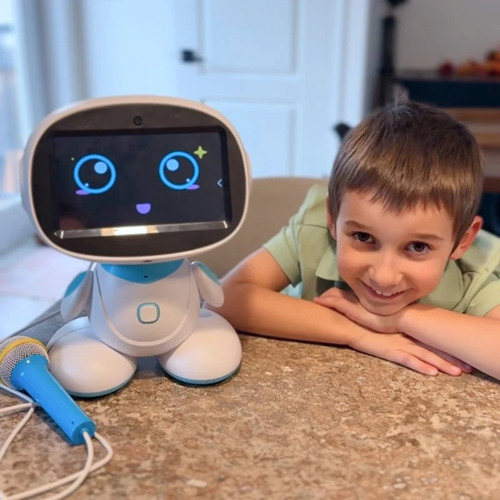
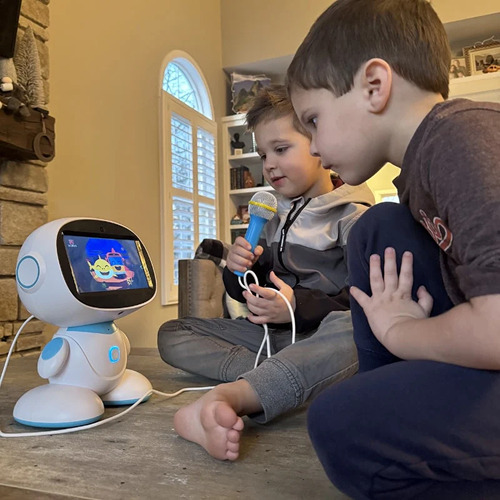
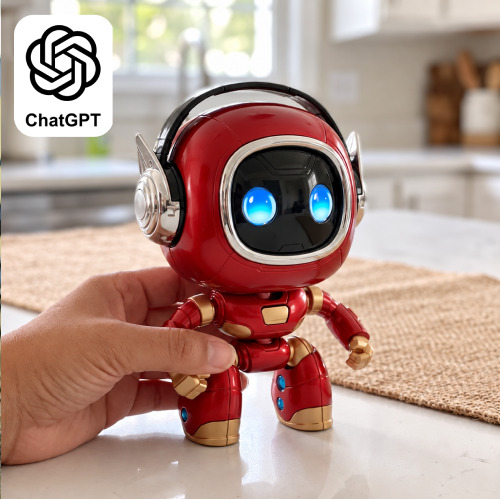
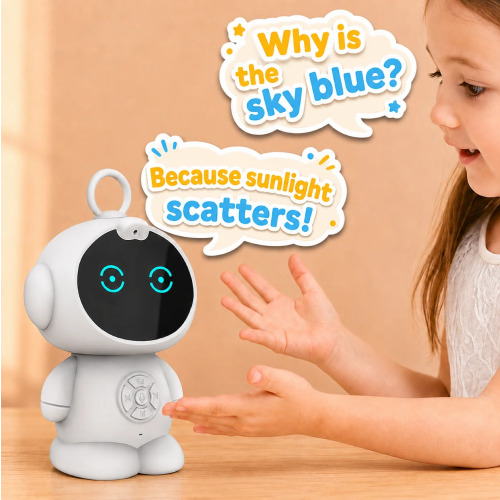
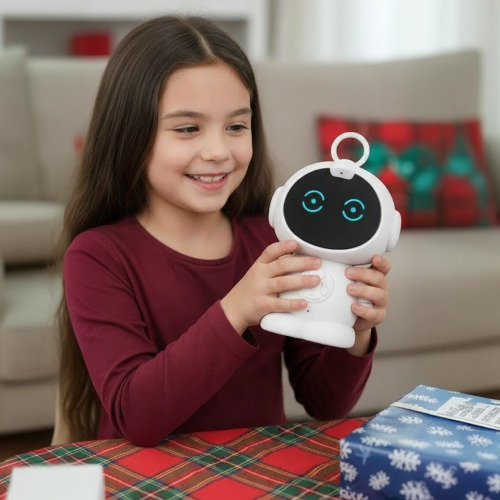
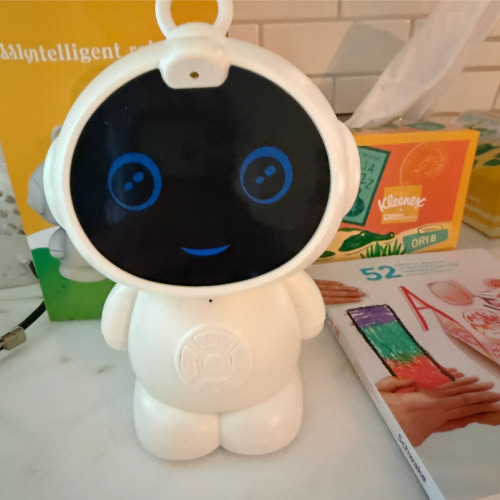
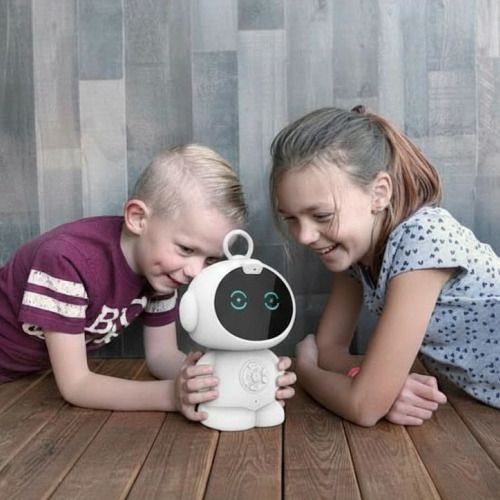
This is the one that makes kids gasp. It rolls, talks back, holds an actual conversation, plays educational apps on its screen, dances and does karaoke. Ask it why the sea is salty and it answers in words a seven-year-old understands, then happily takes the next ten questions.
What it really trains: curiosity, language and confidence. Kids who are shy about asking adults questions often open right up with the robot. It is the most “wow” gift on this list, and the one with the most features to set up. See the ChatGPT Powered STEM Learning and Playing Robot.
“Our son asked it about volcanoes for forty minutes straight. Then he came and explained them to us at dinner.” — Rachel T., tester family #1, Denver CO
🧠 Good for: Curiosity · Language · Confidence
👶 Best for: ages 6 and up
Parent checkNeeds home Wi-Fi and a parent app to set up. Do the setup yourself before handing it over, and spend the first session together.
Smaller and simpler than the Learning Robot, the Robot Buddy is built for preschoolers who want someone to talk to. It answers questions, tells stories and chats back, without a big screen pulling their eyes in.
What it really trains: speaking, listening and taking turns. A child has to ask clearly, wait and listen to the answer, which is exactly the back-and-forth that builds early language. See the ChatGPT-Powered AI Talking Robot Buddy.
“She tells it about her day before I even get the chance to ask. It’s become part of our after-preschool routine.” — Amy L., tester family #2, Raleigh NC
🧠 Good for: Speaking · Listening · Turn-taking
👶 Best for: ages 3 and up
Parent checkA simpler starting point if you’re not sure your child is ready for a robot with a screen.
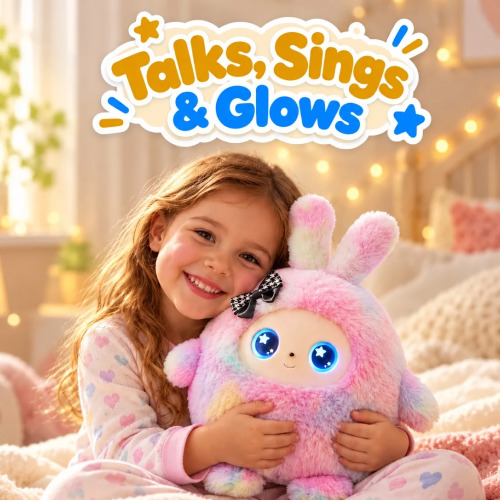
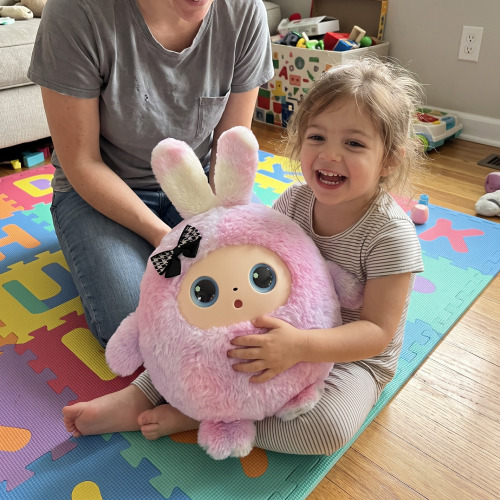
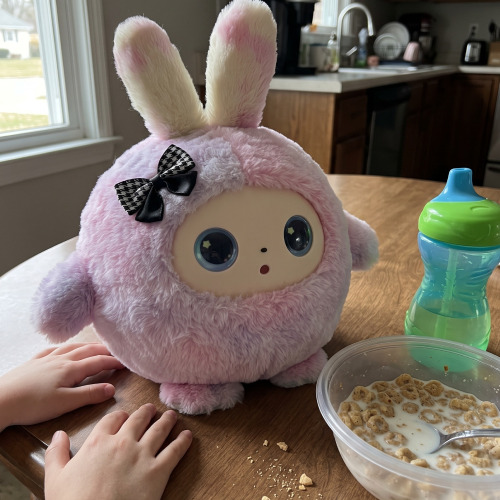
Squeeze her belly and she starts talking. Ask a question and she answers; say you’re happy and her eyes turn into little hearts. At bedtime she makes up a brand-new story every night, which in our test households quickly became the main event.
What it really trains: vocabulary, imagination and calm. It is cuddly first and clever second, which is the right order for a three-year-old. See the My Baby Bunny ChatGPT Powered AI Plush.
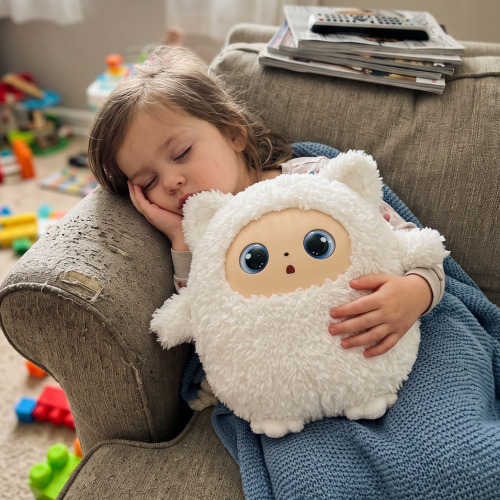
“Bedtime used to be a battle. Now he asks for ‘a bunny story’ and is asleep before it ends.” — Megan R., tester family #3, Portland OR
🧠 Good for: Vocabulary · Imagination · Bedtime routine
👶 Best for: ages 3 and up
Parent checkSet up once with the free app and home Wi-Fi (about 5 minutes). After that, kids use it on their own with no screen. Content filter built in.
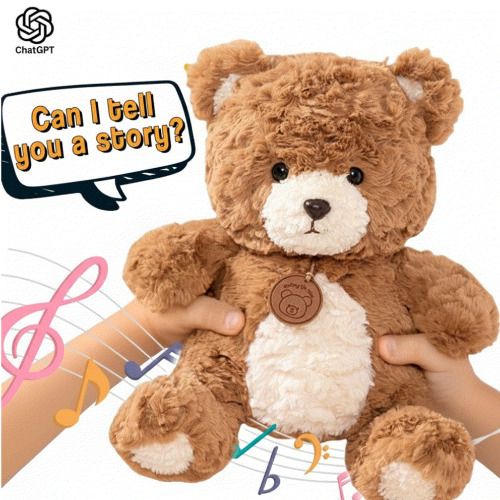
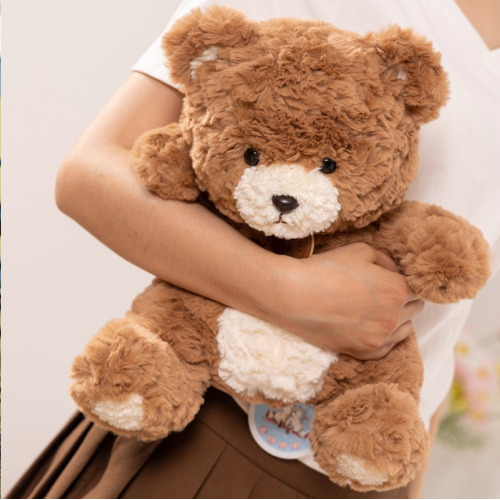
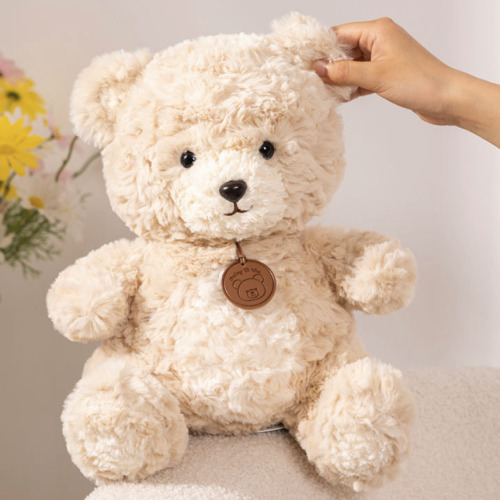
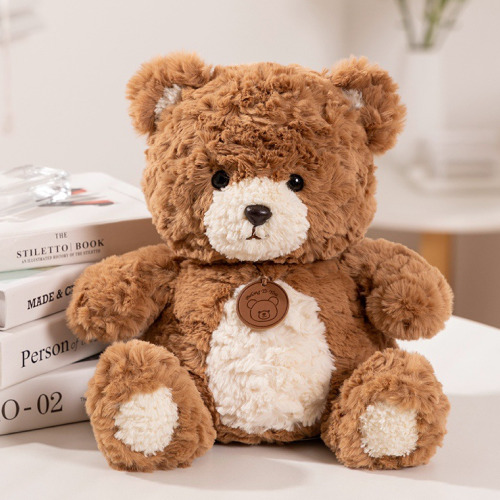
ChattyBear is the plush for kids who love stories and silly voices. Press the button and it chats, answers questions and plays pretend; press the mode button and it switches voices. Ask for bedtime and the voice gets softer and the stories gentler.
What it really trains: storytelling, listening and language. It speaks English, Mandarin and more, so it can quietly support a second language at home. See the ChattyBear ChatGPT Powered Smart Learning Plushie.
“The kids make it do a pirate voice, then a grandma voice, then argue about which is funnier. Ten minutes of giggles every night.” — Daniel K., tester family #4, Austin TX
🧠 Good for: Storytelling · Listening · Language
👶 Best for: ages 3 and up
Parent checkNeeds Wi-Fi for its AI and story library. Brown or beige.
No screen to stare at and no game to win: this little robot just talks. It answers questions in words a child understands, tells stories, helps with homework, sings, and remembers what you talked about yesterday.
What it really trains: curiosity and independent thinking. Because everything happens by talking and listening, it holds attention without the glazed look a tablet gives. Compact and rechargeable, it is a great travel companion too. See the STEM AI Mini Robot for Kids.
“It came with us on a six-hour drive. Not one ‘are we there yet’.” — Laura P., tester family #5, Columbus OH
🧠 Good for: Curiosity · Homework help · Independence
👶 Best for: ages 3 and up
Parent checkNeeds home Wi-Fi and the free parent app. Parents can send voice messages and upload stories through the app.
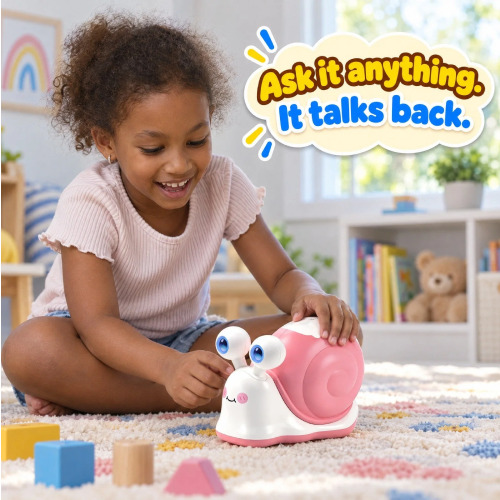
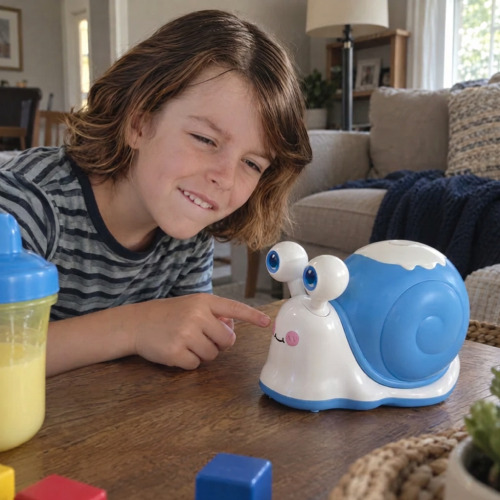
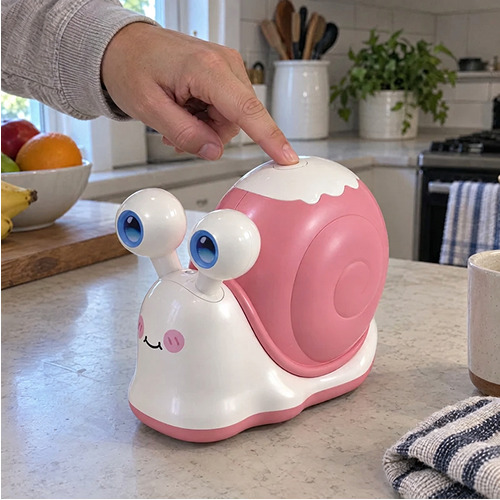
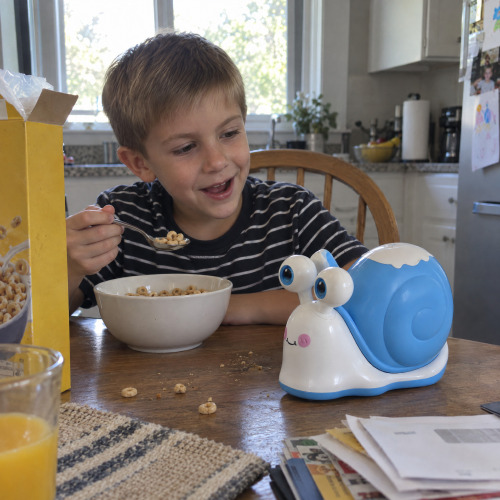
The AI Snail is the gentlest-looking companion on this list, and that is half its charm. It talks, answers questions and turns everyday chatter into small lessons, in a shape that feels friendly rather than techy.
What it really trains: language and confidence. For kids who find a robot a bit much, a soft-looking snail is an easy first step into talking toys. See the AI Snail Talking Learning Companion.
“My daughter was nervous about the robot at her cousin’s house. The snail she adopted in about thirty seconds.” — Jess M., tester family #6, Tucson AZ
🧠 Good for: Language · Confidence · Curiosity
👶 Best for: ages 3 and up
Parent checkPink or blue. Check the product page for setup and Wi-Fi details before gifting.
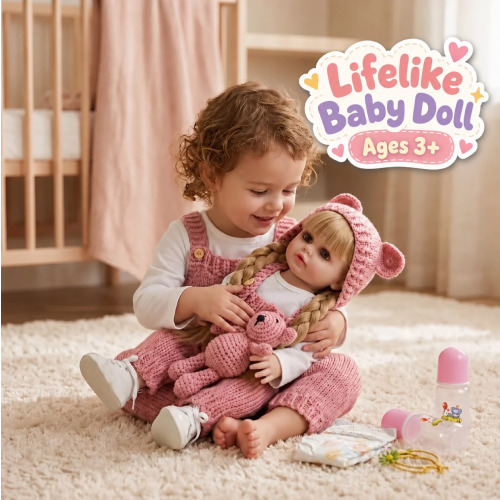
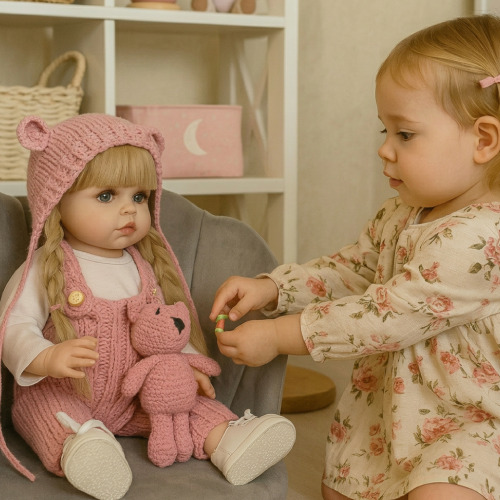
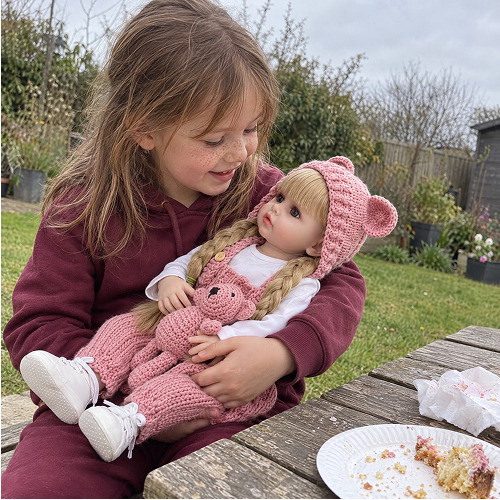
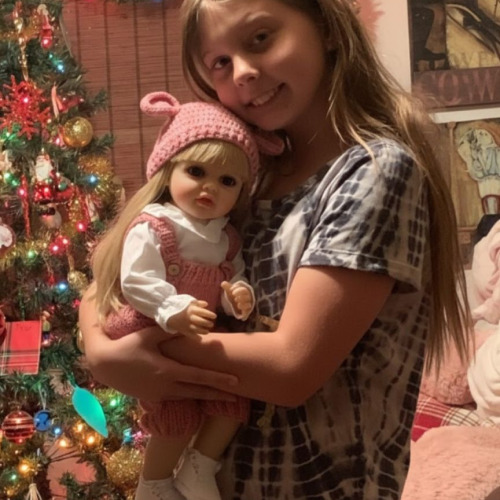
We put this one on the list on purpose. It doesn’t talk, doesn’t connect to anything and doesn’t need an app. In several tester homes, it was still the toy kids hugged hardest. Soft, lifelike silicone, a full care set with pacifier, bottle and diaper, and even a birth certificate.
What it really trains: empathy, nurturing and pretend play. If your child already has a talking friend, a quiet one to look after is the perfect balance. See the Silicone Lifelike Baby Doll.
“My daughter feeds it, then makes her chatty bunny ‘tell the baby a story’. Best of both worlds.” — Nicole B., tester family #7, Albany NY
🧠 Good for: Empathy · Nurturing · Pretend play
👶 Best for: ages 3 and up
Parent checkNo Wi-Fi, no app, no charging. Blonde or brunette, 4 outfit colours.
Every toy here can answer a question. What made the difference in our tester homes was what happened next: the parent who asked a follow-up, the sibling who joined in, the drawing or the volcano explanation at dinner. Used that way, a talking toy doesn’t replace you. It gives your child one more reason to come and tell you something.
Pick the one that matches your child’s age and personality, do the setup the night before, and keep one quiet, hands-on toy in the mix.
Three and up: the Robot Buddy, My Baby Bunny, ChattyBear, the STEM AI Mini Robot, the AI Snail and the Baby Doll. Six and up: the ChatGPT Powered STEM Learning Robot, which has a screen and the most features.
Do they all need Wi-Fi?
The talking toys use Wi-Fi for their AI, and most are set up once through a free parent app. After setup, kids use them by talking, not by holding a phone. The Baby Doll needs nothing at all.
Are AI toys safe for young kids?
Look for a built-in content filter, parent controls and a clear age rating, and do the first conversations together. Treat it like any new device in the house: set it up yourself and stay close at the start.
Will my child stop playing with real toys?
Not in our test. Kids used the talking toys in short bursts, often to ask a question or hear a story, then went back to hands-on play. Keeping a non-AI toy in the mix helps.
What if it isn’t the right fit?
You can return it within 14 days of delivery, as long as it’s unused. Keep the box until you’ve tried the setup.
P.S. Do the Wi-Fi setup the night before. Your future self, and a very excited child, will thank you.